
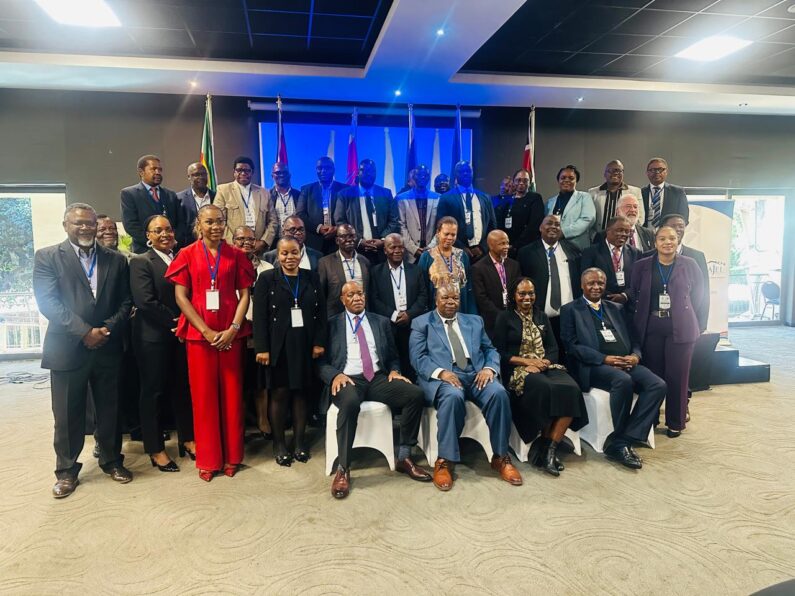
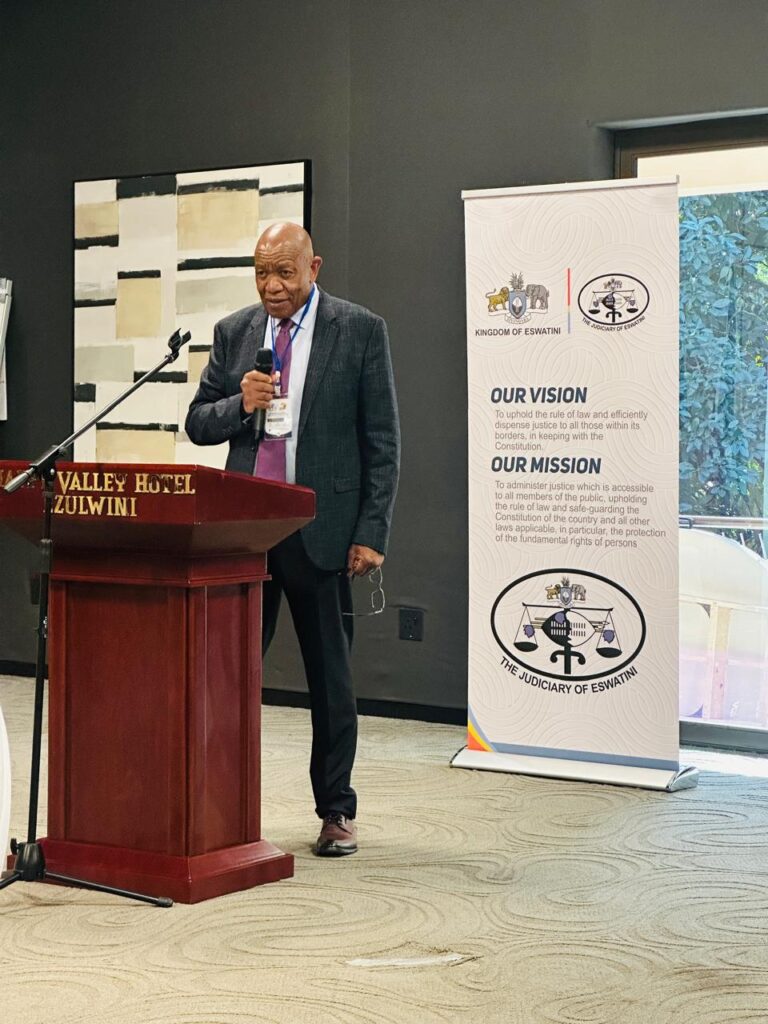
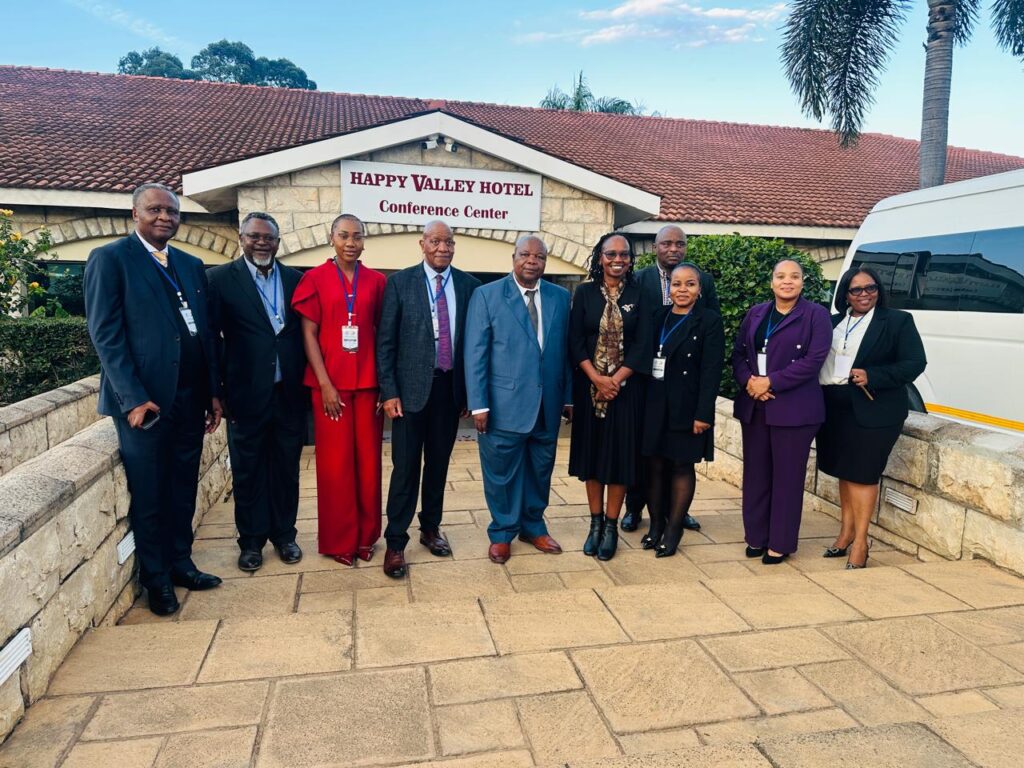
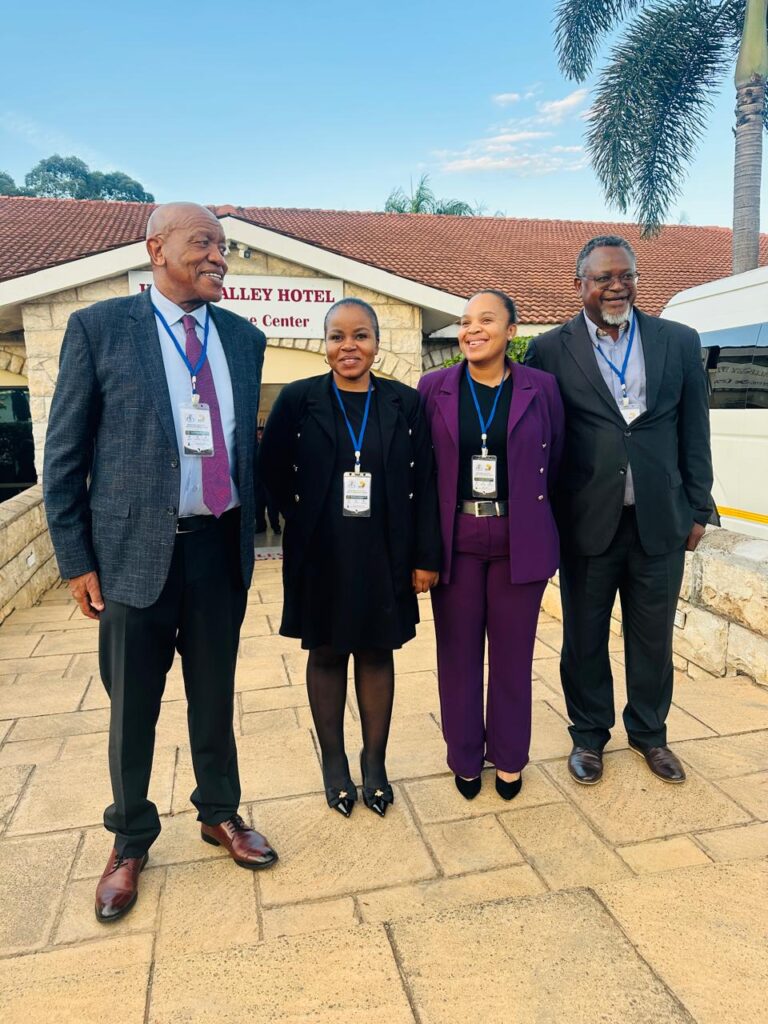
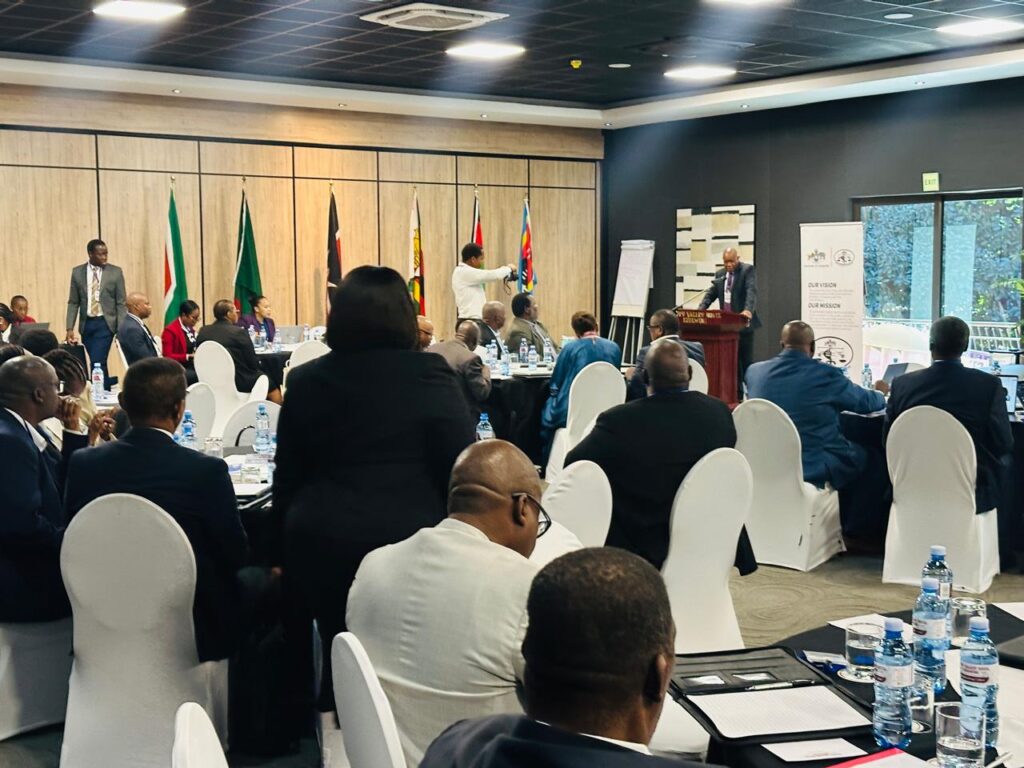
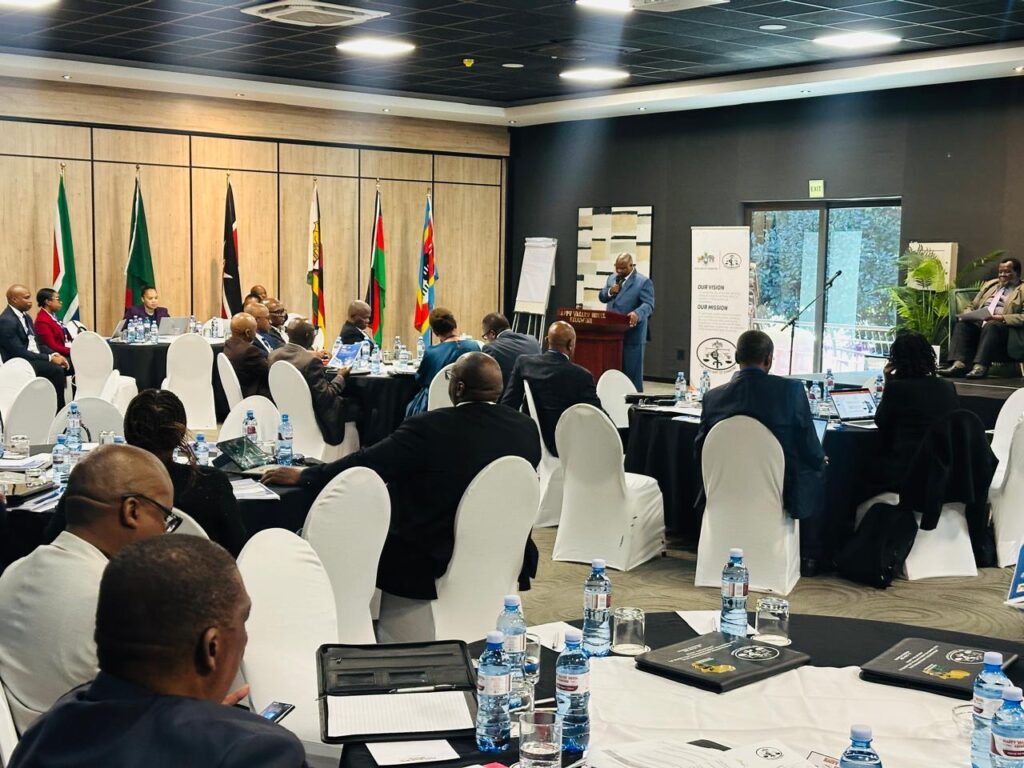
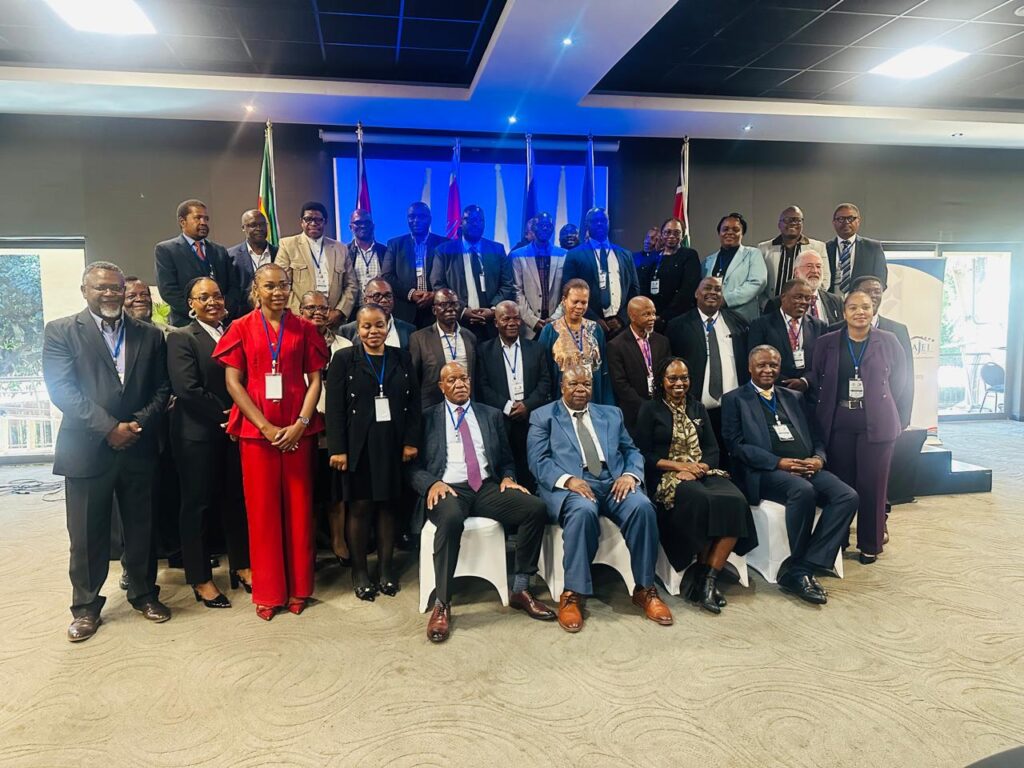
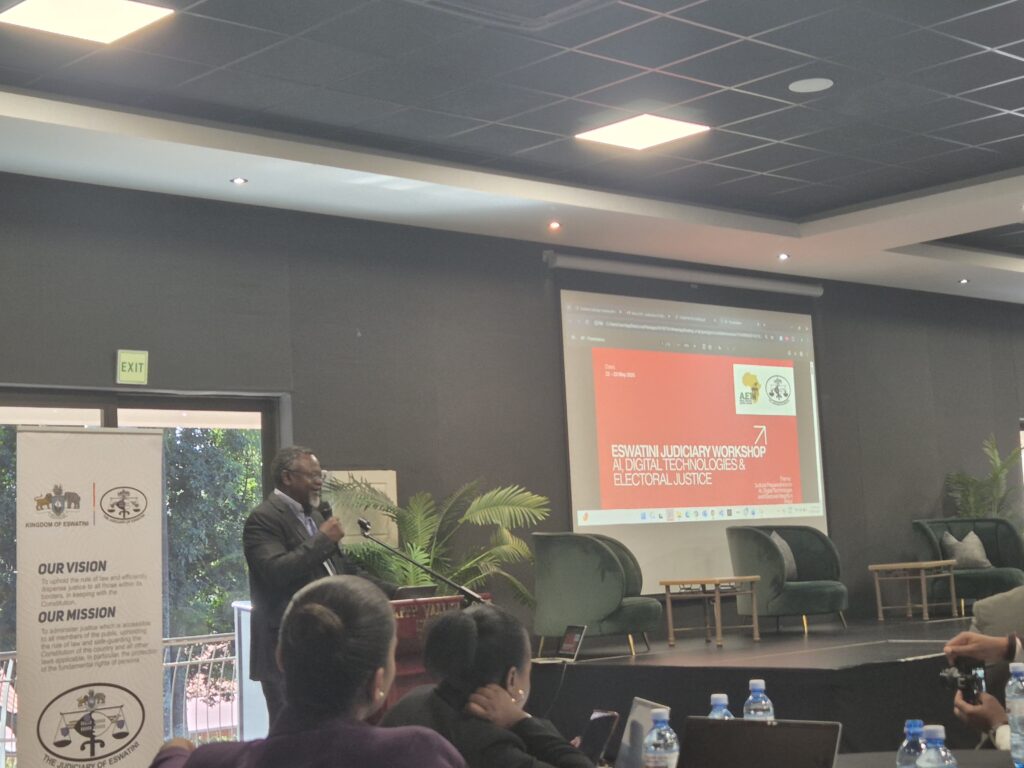
The Africa Judges and Jurists Forum (AJJF), through its Elections and Rule of Law programme and in collaboration with the South African Judicial Education Institute (SAJEI), the Southern African Chief Justices Forum (SEACJF), and Yiaga Africa, is proud to support and facilitate a pioneering pilot judicial training workshop for the Judiciary of the Kingdom of Eswatini on Artificial Intelligence (AI), Elections and Electoral Justice from 22-24 May 2026 in Ezulwini, Eswatini.
The workshop, convened under the auspices of the Africa Electoral Justice Network (AEJN), marks one of the first judicially focused pilot engagements on the practical application of the Toolkit on Judicial Oversight of AI in African Elections developed collaboratively by AEJN and Yiaga Africa supported by AJJF, SEACJF, SAJEI and the Centre for Human Rights of the University of Pretoria with contributions from judges, jurists, electoral experts, judicial educators, and technology practitioners from across Africa.
The initiative reflects growing recognition across African judiciaries that rapid technological developments, including artificial intelligence, digital communication systems, social media platforms, electronic transmission systems, and emerging forms of digital evidence, are increasingly shaping electoral processes and generating new legal and evidentiary questions for courts and electoral dispute resolution mechanisms.
The pilot training seeks to strengthen judicial awareness, preparedness, and practical reflection on the kinds of constitutional, evidentiary, procedural, and remedial questions courts may increasingly encounter in an evolving digital electoral environment. Importantly, the programme is designed not as a technical technology training exercise, but rather as a judicial dialogue grounded in constitutionalism, judicial independence, electoral integrity, fairness, accountability, and public confidence in the administration of justice.
The Toolkit itself was developed as a practical judicial resource intended to support African courts, judicial education institutions, electoral justice actors, and legal practitioners in navigating emerging disputes involving AI and elections. It addresses issues such as digital evidence, algorithmic transparency, misinformation and disinformation, electronic transmission of results, judicial remedies, burden and standard of proof, institutional safeguards, and practical judicial scenarios relating to technology-assisted electoral processes.
The Kingdom of Eswatini’s Judiciary is fittingly among the first on the continent to host a dedicated judicial application workshop using the Toolkit. The initiative also carries important regional significance given that the development and adoption of the Toolkit took place during the tenure of the Honourable Chief Justice of Eswatini as Chairperson of SEACJF, reflecting regional judicial leadership and growing continental attention to emerging technological realities affecting democratic governance and electoral justice.
AJJF and its collaborating partners view the workshop as part of a broader and evolving continental judicial capacity strengthening initiative aimed at ensuring African judiciaries remain prepared, confident, and responsive in the face of rapidly changing technological realities affecting elections and governance.
The partners expressed hope that this pilot engagement will contribute to broader continental judicial dialogue and inspire additional judiciaries, judicial training institutions, and regional judicial bodies across Africa to engage with the consortium of AJJF, SAJEI, SEACJF, Yiaga Africa and other strategic partners under the auspices of Africa Electoral Justice Network in strengthening judicial preparedness and electoral justice capacity in the digital age in Africa.
As artificial intelligence and emerging technologies continue to reshape democratic processes globally, African judiciaries increasingly have an important role to play in safeguarding constitutional governance, electoral integrity, fundamental rights, transparency, accountability, and public confidence in democratic institutions. The pilot workshop in Eswatini therefore represents an important step in fostering continuing judicial learning and institutional preparedness for the future of electoral justice in Africa.
For more information please contact Mr. Martin Okumu-Masiga on okumu-masiga@africajurists.org